Mold Experts In USA
Non-Toxic, Demolition-Free Mold Removal
We Fix Mold at the Source, Not Just What You Can See
Business & Commercial Mold FAQs
What Real Estate Agents and Business Owners Need to Know.
Why do real estate agents like us so much?
The reason that real estate agents call us all the time is because normally when a mold situation comes up on the sale of a house, it's the kiss of death on that project — the deal is pretty much lost since typical remediation takes weeks to complete and costs lots of money depending on how bad it is. Now with our process we can come in and knock it out quickly. It's a half a day project for us. Most of the time the cost of the remediation is handled in escrow which makes it so the seller doesn't have to pull the money out of their pocket to get the issue fixed before the sale is done and as soon as the sale is finalized we come in and handle the mold problem and escrow pays us.
What type of documentation is provided to human resources to prove my employees are safe?
The most thorough type of documentation you can possibly have to ensure that a mold situation has been fully addressed and taken care of is having a third-party mold inspector come in and do full testing on the place. We get that done on every single job because we want to make sure that everyone is fully taken care of, everything is fully documented, and that you have everything you need for the future in case there is an issue that comes up related to the mold in the building.
Mold & Insurance FAQs
What You Need to Know About Coverage and Claims.
How long does an insurance claim take?
Insurance claims can take anywhere from a few weeks to a few months to fully be processed and go through. We don't have to wait for the entire claim to go through in order to take care of your mold situation. All we really need is to make sure claim is approved. That can take anywhere from a few days to a few weeks.
Can I use insurance?
Absolutely, we go through insurance all the time. There are some things that are covered by insurance, and some things are not. Mold problems that come from the following things are usually covered under insurance: 1. Leaks in walls, 2. Roof leaks, 3. A/C pan leaks. What it comes down to is if it is something that was an incident like listed above, they should cover it with no problem but if it is something that you were supposed to be maintaining and you didn't, they will not cover it. If you have a question, give us a call and we can help guide you.
How do I know if my mold problem will be covered by insurance?
This is not a simple Yes or No answer. It depends on what caused the mold problem in the first place and what the policy covers. What we generally recommend to people is to work with a professional who deals with that all the time. A Public Adjuster is who we generally recommend to work with. You can also reach out to us since we have the basic understanding on what is covered and what is not. We usually keep a list of public adjusters on hand because we deal with insurances that don't want to honor claims and try to not cover the problem a lot and it's in our best interest and yours to make sure that you know your claim goes through smoothly, quickly and everyone's happy and it gets taken care of. So reach out, we'll help you out and set you up with a great public adjuster.
Mold Basics FAQs
Understanding Mold, Mildew, Spores, and Health Risks.
What is the difference between mold and mildew?
The difference between mold and mildew is actually relatively small. They're in the same family of Fungi. Now if you look at them, and you see them visually, mildew is always white in color. It is a type of fungus similar to mold, but it's always white in color and almost looks kind of powdery actually when you see it in person. Anytime you see black, green, brown, any of those colors, those are actually molds. We often get the question in relationship to mold and mildew where our client says I see something in the shower and they think that is just mildew in their shower. When in fact it is actually mold. It is also a very good indication when you see mold growing in your shower, that you have a mold problem throughout the home. That's just where the moisture is most readily available, so it grows most easily in that spot.
What is the black stuff in my shower?
People ask us what is the black stuff that you see in a shower, often they think it is just mildew. What they don't realize is that mildew — which is a cousin of mold, another type of fungus — is always white in color and actually looks kind of white and powdery. So when you see black, green, brown, sometimes even orange in the shower right around the grout lines, it is actually mold growing. What happens is when mold is in the house and it's throughout the air in the home, it starts finding any kind of a high moisture area in the house to start growing, that is often the shower. It makes total sense that the shower is the place since people take hot showers everyday which creates a lot of humidity in the bathroom. It also takes a very long time for the shower to dry out so very often you get mold growing in the shower around the grout lines. This is also an indicator that you have a mold problem throughout the home.
What causes mold?
Mold is caused actually by moisture issues. How it works is since mold is a part of nature and grows on decaying things outdoors and the purpose of it is to break down organic material like dead trees. Mold has microscopic seeds called spores that it releases in the air and as they fly through the air they look for a place to land and grow. Mold needs moisture and something to eat like dead trees so it can start growing. Since mold spores are outside it is a little hard for them not to fly in your home. Once they are in your home they just need to find a moisture source in your home and they start growing. Once it starts growing inside the home it is just like as if it is outside — it releases spores in the air, they fly around looking for other moisture sources in your home and again start growing there. This is why you can have a couple of places that have mold growing in your home.
What are mold spores?
Mold spores are actually the seeds of mold. They are what fly around and land on something that is wet or damp and start growing.
Is that just a spot of mold on my wall?
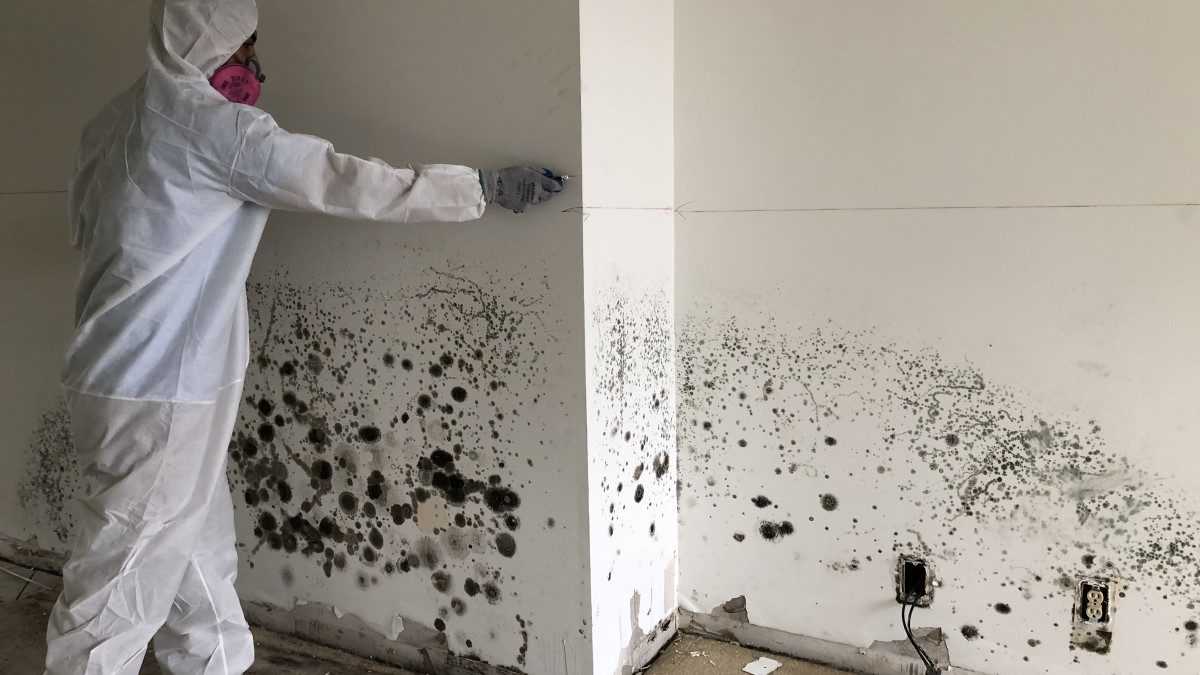
When a mold spore starts to grow it is very hard to see since it is microscopic. By the time you see a spot on the wall it is not just a mold plant growing — it is actually a forest. If you actually take a microscope and you look you will see that it looks like a little fern tree and there are thousands of them.
Should I get my air ducts cleaned?
After Nano Purification process is done, generally Duct Cleaning is not needed. The process that we do takes care of any mold, any contamination within the entire AC system. Now, if your AC systems and ducts are dirty and there's a whole bunch of dust in there and you can see it coming out of your vents and things like that, then duct cleaning is a good idea after the mold is handled if there is a mold problem in them. If you're trying to get your ducts cleaned to handle a mold problem, professional remediation is recommended. The A/C technician will tell you that they will spray something in there that will encapsulate it but it is only a matter of time until the mold comes right through the encapsulation layer just like if you paint over mold it will bleed through the paint.
Is the mold that I have dangerous?
Often people wonder what types of molds are dangerous. When you really get down to it, all types of molds can potentially produce dangerous chemicals for people. Some types always produce those nasty chemicals like when you hear about black mold. In truth any type of mold that shows up in a test can potentially produce toxic chemicals that can severely harm you and your family's health.
How fast does mold grow?
Mold can actually grow very fast. What happens is as soon as you get a moisture problem, the clock starts and usually mold takes about 24 to 48 hours to put down roots. Now it doesn't mean that it always will but every day that goes on that you have a wet environment it gives more time for mold to grow.
Can't I just clean the mold myself?
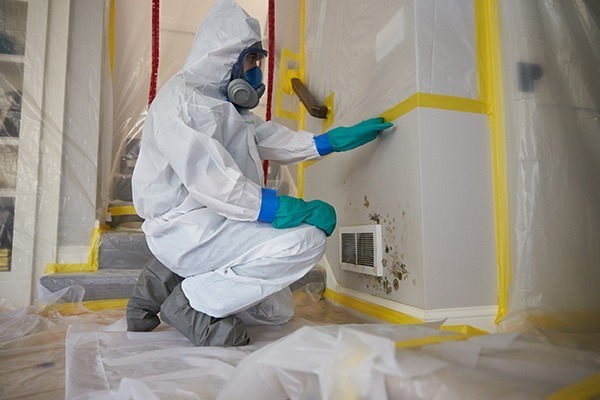
Often people go on to Google and search "How do I clean mold myself" or "how do I get rid of mold on my wall" something to that nature. The issue with that is that mold is not just a spot on a wall or a ceiling, it is actually an airborne issue, which is the reason that it affects our health — we breathe it in because it is in the air. When you watch videos on mold remediation, you're always going to see them put up containment to section off the area infected. Then they setup a commercial air purifier in the area to catch the spores and toxins the mold is producing so it doesn't get to the rest of the home. They do this because the second that you touch a mold problem, you irritate it and it spreads — that's just its defense mechanism, it's trying to survive and continue the species so it spreads. So a lot of times when people go in and they try and hit it with bleach or things like that, they're inadvertently spreading the mold and causing it to actually become a worse problem in the house. A couple of things happen: you will usually see it start to grow in other areas of the home — the shower is usually the first place since there is always moisture and high humidity there. Also they think to themselves "I took care of the mold but I am feeling more sick than I did before, why is that?" What happened is that you made the mold mad by messing with it and it decided that it was in danger and started sending out spores to stay alive and now you have a lot more spores in the air that you are breathing in. We see this all the time with Air Condition vents — a person will take a chemical that is supposed to kill mold and spray it on the mold and clean it off and then a week later more vents have mold on them. The reason that we have to be licensed to handle mold and have expensive insurance in case we as a professional do something wrong that causes your whole house to become contaminated is that mold can cause damage to your health and nervous system and is not something you should play with. You can find the health effects of mold on the CDC website.
Can I smell mold?
People often ask, "Can I smell mold?" The answer is sometimes Yes and sometimes No. The reason for that is when mold grows, it produces chemicals. Now sometimes — not always — but sometimes those chemicals have an odor to them and that's when you smell mold. People usually know the smell since it is a very distinct smell. The moldy smell in a home is actually the mold — what you are actually smelling is the chemicals that mold produces. Now, some of those — a lot of those — chemicals actually don't have an odor. The more nasty stuff doesn't always have an odor. So we always say is if you smell mold, you know you have a mold problem but if you don't smell mold it doesn't mean you don't have a mold problem.
How do I know mold won't come back?
The reason that mold will not come back after we've treated a place is because we fully make sure that we handle what causes the mold in the first place. Anytime we're going to treat a property the first thing we do is we come out and we do a full check on the property to make sure that all the moisture problems are fully handled. If they are not we work with you to get them fixed. We know that if you don't fix what caused the mold problem in the first place, you're always going to get another mold problem. So by fixing them in the first place we know you are not going to deal with another mold problem in the future. We always want to make sure that once we take care of the mold problem it doesn't come back. We want our clients to have a good environment to live in.
How does mold affect my health (the doctor says I have mold in my blood)?
Which is a really good question because mold doesn't just affect you when you're standing there and touching the mold. Many people get affected in this way by the mold in their homes, and they're not going over and licking that wall that has that spot of mold on it — at least one would think. What happens is as mold grows, it produces chemicals. Those chemicals get released into the air and they get picked up by the A/C system that passes it throughout the house. That's why even though somebody is sleeping on the entire other end of the house, they still get affected by that mold and they also show signs of having a mold issue in the home like respiratory issues, sleep problems, skin conditions and getting sick all the time — which are common issues when people have a mold problem in their home.
Mold Inspection FAQs
Testing, Evaluations, Inspections, and Clearance Reports.
Why does an inspector test the air AND swab the mold?
So there's several different ways an inspector can actually test for mold and see if it's present. The first and most common way is they take an air sample. They do this because mold is an airborne problem, so by testing the air they know if mold is active and growing in your home. Now if they are looking at a spot and they're trying to identify what it is they will use a swab, it may be mold or it could be dust. So to play it safe they send it to the lab. Once they receive the results from the lab they will inform the inspector what it is — if it is mold they will be able to tell him that and also tell him what type of mold it is.
What is the difference between an evaluation and an inspection?
An evaluation is a service we supply to our clients so we can find the source of a mold problem. An inspection is done to find out if you have a mold problem — this is done by a Mold Inspector/Assessor. The reason that we do an evaluation before every single place that we treat, is that we want to actually help figure out what is causing the mold problem, why is it happening in the first place and what may be contributing to it or make it continue. So by figuring that out we can effectively handle the mold 100% the first time. If we don't figure it out it will just come back in six months. The reason why we find out what causes it in the first place and we eliminate it is so you don't have to worry about it coming back. The only reason you'll ever get another mold problem is if you have new leaks or a new moisture problem.
How much does a Mold Inspection cost?
Most mold inspectors tend to charge generally around $300 as a base price for the visual inspection plus basic air samples. Then they usually charge around $100 for each additional air sample if needed and wanted. If you want them to do a full report with their findings and write up a protocol (which is the instructions for the remediation company on what they have to do to fix the problem) that will add around another $200–$300 to the bill. This is based on your average size home. *Note: if you are planning on using us as your remediation company we don't require you to have a protocol written since we are treating the entire space so we don't need the instructions on what to tear out.
Can I rely on an in-home test kit from the hardware store?
We have clients quite often that will purchase different types of home tests to find out if they have a mold problem themselves. One of the home tests is called a petri dish. Using a petri dish to see if you have a mold problem — you can bet 100% of the time you are going to see things growing in a petri dish from mold to viruses since these things are in the air everywhere. Another one is an in-home air quality test — that one is a little more accurate than the petri dish but it can give you a false negative which will make you think you don't have a mold problem in your home and you do. There are a couple factors to testing for mold in your home that have to be considered: 1. If the mold activity is sporing when the test is being done. 2. Is the A/C running during the testing. If the mold is in the A/C ducts you want it running while the testing is done. 3. Are you also going to swab surfaces for landed mold spores? 4. Are you in the location where the mold source is the worst? 5. Are you also doing a sample outside to act as the standard for what should be inside? A mold inspector is licensed and trained in this area and every couple of years they have to do continued education classes to learn anything new in the field. There is a reason why they are required to be licensed to tell you if you have a mold issue in your home. The summary of it all is that you can do a home test but if it does not indicate you have a mold problem in the home but you are seeing some of the signs of a mold problem in your home, get an inspector in to do a thorough inspection. You can find out what the signs of a mold problem in your home are under the Mold University page on this website.
Do I need to get an inspection before getting remediation?
This is not a yes or no answer. It really depends on the situation. If you know you have a mold problem in your home and you are going to go with the Smart Nano Purification process that handles the entire home, you do not need to hire an inspector to come out and pay him to write a protocol on how to fix the mold problem. If you are not sure you have a mold problem then you would want to hire an inspector to come out and do testing for you. They will be able to then tell you if you have a mold problem. If you know you have a mold problem in your home and you are going to do the traditional/old tear out demolition method, you will need to hire and pay an inspector to come in and write a protocol to instruct the remediation company how to fix the mold problem.
Does an inspector test after the job is done?
Absolutely — after every single job that we do, we want to actually have a third party inspection company come in and fully test the place to make sure that we did a perfect job and completely handled the mold situation. We really want to make sure that we did the job correctly and took care of your problem and you have a safe environment to be in. So yes, we bring a third party inspector in to ensure that.
How do you verify the mold in my home is gone and it is safe in the place?
We at Mold Experts take it a step further and do a very thorough testing process to make sure your environment is safe from the harmful effects of mold. Right at the end of our treatment we take Quality assurance samples since this is the best time to take samples to see if there is a problem. When mold is disturbed and feels threatened it tries to survive — to do that it sends out millions of spores so it can start to grow somewhere else and keep the species alive. So if we did not take care of the mold problem it would be sporing like crazy which would show up in the air quality samples. We send those samples out to a 3rd party accredited lab for analysis. Once the samples come back from the lab we review them — if they look good we then have a 3rd party inspector come out and do an inspection. He also takes air quality samples and sends them to a 3rd party for analysis. Once he gets the samples back if they look good he issues a Clearance Report that indicates that there is no longer a mold issue in your home.
Mold Remediation FAQs
Demolition vs. Nano Purification, Step-by-Step Process, and More.
Why would someone recommend demolition versus Smart Nano Purification?
The main reason you often see companies recommending demolition over a process like sterilization is primarily because that's what they've always done. The demolition method has been around for over 1000s of years. Where the sterilization process of handling it like what we do has only been around for 20 to 25 years. We have been personally doing it since 2015 and have done over 1800 homes. The demolition process has been the industry standard and that's what people have been doing for a very long time. There is also a lot more money to be made with the demolition route. Most remediation projects when demolition is involved range anywhere from ten thousand to even hundreds of 1000s of dollars and that does not even include the rebuild. There is no incentive for someone that is making that kind of money to want to go a lot cheaper route. If they were to switch to the sterilization process that means instead of charging that type of money for one job they would have to do four to six jobs to charge the same amount of money. If you really think about it, it is not really in their best interest to do that. That is also why you will hear other remediation companies saying you can't do it that way, saying it doesn't work and you have to tear it out. The inspectors recommend the demolition because that is what they are aware of — that is why in the section of their report on how to fix the problem they only list the demolition process, they indicate exactly what to tear out, how much to tear out and all the procedures to handle the mold situation. This is how they have been instructing remediators for years. They base their data on a book of guidelines that was written about 30 years ago. A similar method was mentioned all the way back when the bible was written. As you can see with the technology these days — when they have cars that can drive themselves and robots that operate on people — there is not a solution for mold remediation that is 1000 percent better. Well, there is. For example Blackberry — they came out with an amazing phone and when iPhone and Android were coming to market they thought that they didn't have to change and they would always be in business so they did not give the people what the iPhone and Android did and a few years later they were history. Another example — Blockbuster did the same thing for forever. When Netflix came along and actually went to Blockbuster about their idea, Blockbuster laughed at their idea. We no longer see Blockbuster around. That is what's going on right now in the industry. The industry is starting to change. You are starting to see companies switching over and seeing that this is a better way to do it. There are many, many companies out there that are still like the old video stores. They're still doing it the old way. They make great, great money. They bill a lot of money to insurance companies doing it the old way. The inspectors are doing clearance checks on the homes and office buildings that are using our technology and they now are referring us and putting our process on the reports as an option to handle the mold problems in homes.
When should I resort to demolition type remediation?
Sometimes you get the question of when is demolition appropriate versus Smart Nano Purification style remediation. It really comes down to is if your walls are damaged to a point where they lost their structure — like in the instance you've had a big flood and all the walls were soaked and the sheetrock is falling apart. That's when it may be appropriate to get demolition style remediation. The Smart Nano Purification process can still handle that type of mold problem but since you have to remove the drywall anyway it is best to go with the demolition route. Anything short of that, sterilization will work better to handle it and will save you in having to get anything torn out. It will also save you the time and money to rebuild everything.
What is the step by step sequence to fix my problem?
The first thing we do after you reach out to us is work with you to find out about the situation. If you are sure that you have a mold problem we set you up for a free in-home evaluation and estimate. If you are not sure we have you contact a mold inspector so they can test for you. Once you are sure that you have a mold problem we come out and do a free in-home evaluation and estimate. When we arrive we go through the home and look for any moisture sources by doing a full moisture check on the property. We do this because we know to have a mold problem there has to be a moisture problem. Once the moisture problem is found we show you what we found and then recommend how to get it fixed. Once the moisture problem is fixed we come back out and recheck it to make sure it was fixed completely. If everything was fixed we then get you scheduled for the treatment. Once the treatment is complete we take quality assurance air samples to make sure the treatment was completed successfully. Once we receive those results back and everything looks good, we then send out a 3rd party mold inspector to do the final check. The 3rd party inspector will schedule a time with you to do the clearance check. They will take air quality samples and send them to the lab for verification. If everything looks good the inspector will write up a clearance report indicating that the mold problem has been handled.
What happens if the mold comes back?
Well, the first thing we're going to do is we're going to come out and figure out why. This is something we really don't run into that often at all. We probably ran into this issue five times with all the places we treated. What we did find out is that in every single time that the mold did come back it was due to some sort of new leak that occurred, or A/C broke down, a pipe broke in a wall, they had a roof or skylight leak — something to that effect. So anytime that happens and you were to get another mold problem in your home, we would simply come out, recheck it, make sure everything's good to go and then we'd figure out how to get you taken care of.
I was told they have to tear it out. Is that true?
Often people hear from other remediation companies or an inspector that they have to have the whole place torn apart and walls taken down to handle the mold situation. That isn't always true. Often, the mold inspector says that because that's all they're aware of. They're only aware of doing a treatment like that since that is what they have been being taught and obviously remediators are going to say that because that's what they do. There are many inspectors around now that do offer both options on their reports, because they are aware that there's other solutions for people and so they do give them the option of both.
I only have one little spot of mold. Is the Nano Purification process right for me?
That is a great question. Let's look at it a couple of ways to handle it. 1. Spray some toxic chemical on the spot and clean it off. There is a good chance this method is going to spread the mold even more than it is. 2. Rip it out and hope that it handles the problem and you don't have to tear more out. 3. Use the Nano Purification Process to handle it and don't worry about tearing anything out or spreading it more. It all comes down to this: If all you're trying to do is just handle a spot on the wall then you have a couple of methods to do that. If you're trying to make sure that you actually have a healthy environment to live in, that the mold isn't potentially affecting your health — that is where sterilization and Nano purification process comes in place. Because what we do is fully handle the mold situation throughout the home. When you see a spot on the wall that's just the tip of the iceberg. The problem is actually airborne — the mold seeds are flying through the air. That's why mold inspectors test the air to find out if there's a mold issue in the house. So if that's what you're looking for, if you're looking for a clean, safe, healthy environment, that's what we do with the Nano Purification process.
Can you treat an automobile?
We treat cars all the time. The auto dealerships use us all the time. We tend to do a lot of their warranty work because often when they get really bad mold problems in cars, they literally have to strip the car down to bare metal and that can be very expensive between the labor cost and the replacement of all the interior. With the Nano Purification process we are able to completely handle the mold problems in the auto in about an hour. They no longer have to do the stripping of the inside of the car or have their technician work in a mold contaminated vehicle and put his health at risk. Once our process is complete the car no longer has the mold smell and all the visible mold is turned into a white ash and brushes right off. They just need to send the car in for detailing and return it to the owner. Classic car owners also love this process because it is very expensive to work on Classic Cars and handling mold in them can be very extensive so that is the last thing the owners want to do.
Can you treat my yacht?
Absolutely. We actually get referred by captains of other yachts quite frequently. It's actually one of the best environments we can do with this process. It excels so well working on yachts and large boats especially because they're so well enclosed. Boats tend to be airtight, unlike houses, and so it's a very effective process to use on them. Some of the concerns that captains have are: is it going to affect the wood trim around the boat, will you be able to get in the engine room, is it going to harm the furniture. Our process will not harm any materials and will get everywhere including the engine rooms.
Nano Purification FAQs
How It Works, What It's Safe For, and What to Expect
Will your process get rid of the smell or odor in my house?
The Smart Nano purification process handles any type of odor that's related to mold. Those smells actually come from the toxins that molds release in order to break down the material they are growing on. These toxins are also known as Mycotoxins. So not only are we destroying the mold, but we are also destroying the Mycotoxins which are known to cause health problems for people and animals. Now sometimes you do get other odors from other types of materials especially when there's been leaks and water problems in the home. And often our process will take care of those odors as well. But not 100% of the time. Every once in a while, you can have a smell that is completely disrelated that our process may or may not take care of. The process is also known to handle smells from pets and people smoking.
What types of facilities is Smart Nano Purification certified to be used in?
With Smart Nano Purification we've treated everything from hospitals, government facilities, yachts, cars, planes and residential homes. You name it. We have probably worked on it and probably treated it. It's fully EPA certified to be used in all types of environments. On all types of surfaces pretty much everywhere.
What is the difference between micro purification and fogging??
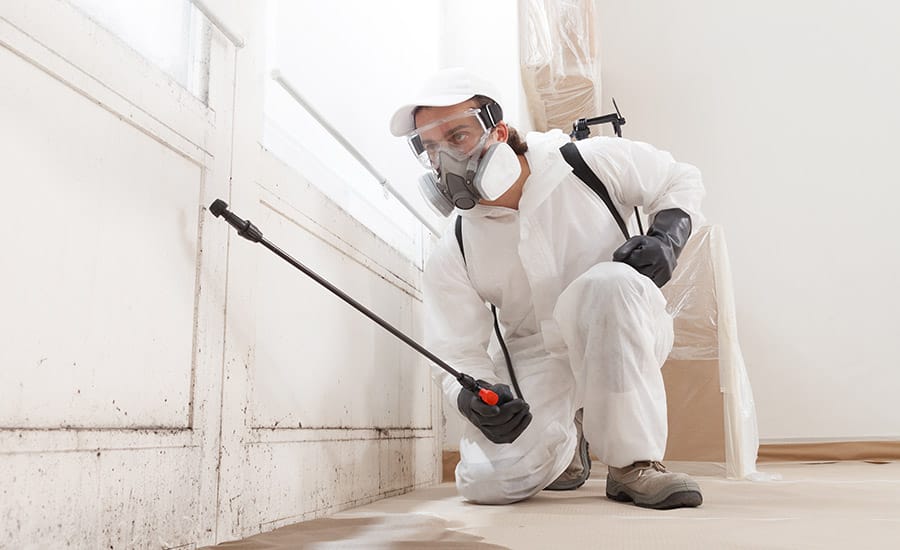
The difference between Nano purification and fogging primarily comes down to two things. One: with Nano purification, we only ever use nontoxic chemicals that are of the highest quality. They are very expensive just like everything that is approved for the medical industry. Two: when you are fogging, the particles are very large — probably about 10 to 15 times the size of what a mold spore is. Since it is larger than the size of a mold spore it can't go everywhere that the mold can go since it is not able to get in the nooks and crannies like mold can, it can't destroy the mold. That is why when you search on Google about fogging you'll see that it says fogging doesn't work to handle a mold problem. That is very, very true because all it's doing is grabbing on to the mold spores in the air and pulling it down to the ground. The Nano Purification process can actually get into the nooks and crannies because the particles are a fraction of the size of even a mold spore. They are so small they can penetrate right through the walls. It pretty much converts the liquid to a gas at that point. So with a fog, they actually are little droplets of water. They're relatively large when you're talking about the size of molds, bacteria and viruses. Since they are little droplets of water, while the droplets fly through the air, they gather up some of the mold particles in them and they will land on surfaces, so they are really pulling the mold out the air and pulling it down to a surface. It generally must be wiped off and you have to do a whole wipe down on a place when it's been fogged. The micro purification process actually converts the liquid to microscopic droplets equal to a gas to the point where if you put your hand in front of the Nano Purifier machine your hand would not get any liquid on it — it is completely dry. The particles are so small that they can't actually even physically stick to a surface, they will only ever pass through or bounce off. Because of that it doesn't leave any kind of residues behind, it doesn't need to be wiped off.
What is Smart Nano Purification?
Nano purification is a process of actually being able to take products and break them down to a microscopic particle. That's a fraction of the size of a mold spore, bacteria or a virus in order to get it to be able to spread it throughout a home and have it penetrate through all the materials and completely destroy all the mold, bacteria and viruses in the home. The best analogy between nano purification and anything else would be actually getting a house tented for termites. They are actually working with a gas and as tiny, microscopic particle, they don't have to rip the walls open to get to the termites. Nano purification is very similar to it in that aspect. Now we don't use toxic chemicals like they do, and we don't have to tent the home because it takes a lot less time to kill mold, virus and bacteria than it does to kill termites. Again, they don't have to rip down walls to get to the termites, neither do we to get to the mold and bacteria and things like that. Because we're working with a tiny, microscopic particle that's down at the size of being a gas and it can penetrate right through the materials in the home.
What are the actual chemicals used?
The actual chemicals that we use when we're doing Nano purification, it's a combination of hydrogen peroxide and acetic acid. Acetic acid is the same kind of acid as in lemons, oranges things like that. Only what we use is quite a bit stronger. So, it's very, very simple. Nothing crazy about it, no bleach in there or anything like that. And it's totally nontoxic and safe.
Should I cover the furniture and clothes?
With the Nano purification process preparation is extremely minimal. You do not actually have to worry about covering up furniture, clothing, paintings, any of those things, food — all of that stuff is safe within the home and doesn't require being covered up or anything like that.
Is it safe for animals?
The products that we use in Nano purification are 100% safe for animals. We've actually treated veterinarian hospitals. The product is certified by the EPA as pet and family safe.
How safe is this? For restaurants, where there's food and health inspections?
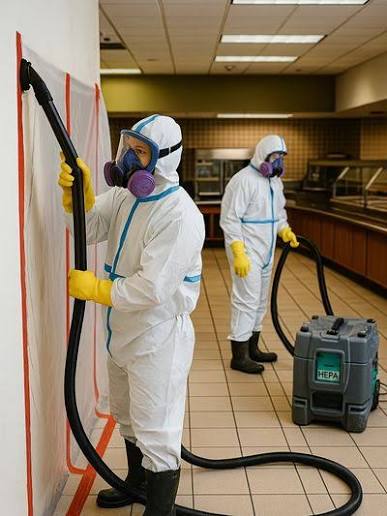
With the Nano purification process it's a straightforward process. It's completely safe for food, food surfaces and everything in a restaurant. All the products we use are fully EPA certified to be non-toxic. The biggest advantage are the mold will be handled, the places will be sterilized and you won't have to come in and do a full wipe down on the whole place afterwards since it doesn't leave any kind of residue behind.
How long does it take?
The Nano purification process is an extremely fast process. The treatment takes just a little more than three hours from when the guys show up until they leave. The actual process time once everything is setup and running is two hours. Then another hour for the home to air out. So it is about four hours from when you leave the house till you can come back home. If you arrive back at your home and the smell is still a little too strong for you just give it another hour. Remember we are using a solution that is non-toxic and will not harm you but may be a little strong on the eyes at its full strength, so it depends on how sensitive you are to it. If it is a little too strong just give it more time.
How safe is it, is it nontoxic and EPA approved?
The products that we use when we're doing the Nano purification process are fully 100% EPA certified to be used in homes and businesses on all types of surfaces. So if you have a business and you need some sort of documentation to show to your HR or anybody else, we can absolutely provide that if you ask. All those documentation are public records.
How does it get behind my walls?
So we often get asked how are we able to treat inside of a wall even though we're not opening up the walls. What that comes down to is the size of the particle we're working with. That's really the magic behind what we're doing. So let's turn it around a little — how did the mold spore get into the wall in the first place? The answer to that is mold spores are microscopic particles. They are so small that you can fit billions of them on the head of a pin. Since they are so small, they are able to pass through porous material like sheetrock, wood and other building material. That is how the mold spores get there. The nano purification process converts our solution to 10 times smaller particles than the size of the mold spores so just like mold can get in the wall in the first place we can get in the wall to destroy it. It is a very scientific process. Definitions and Comparisons: Nano Definition — minute. Micro Definition — of extremely small size, visible only by the aid of the microscope. Comparison of Nano to Micro: Nanometer — a nanometer is 1000 times smaller than a micrometer.
How does nano purification compare to other remediation?
How nano purification stacks up very well compared to other different processes — it is way faster to do and much simpler. We're able to actually handle the entire mold problem, not just a spot on the wall. When you compare it to things like fogging, fogging only hits the air, it doesn't actually get into the materials to destroy all of the mold everywhere. With nano purification process we're actually able to penetrate through the wall and we can take care of 100% of the problem and get 100% of the results and we guarantee it.
What factors affect pricing?
1. The size of the place being treated. 2. Is there an attic and how big is it (residential). 3. Is there drop ceilings, how much space is above them (commercial). 4. Is there a crawl space. 5. Is there a garage, the size of it and is it attached. 6. If there is visible mold and how much. 7. How many AC systems are there. Also, while we are there, we will do a full check on the property to find what may be causing the mold situation in the first place. That allows us to know that we can handle it effectively and properly. Whenever we put together pricing, we also include the cost to bring in a third party Mold Inspection Company to test it when it is complete. We include everything in our estimate so there are no surprise charges when the job is done and you get the invoice.
Our Company FAQs
Our Guarantee, Licensing, Experience, and Scheduling.
Why doesn't anyone else offer the guarantee?
The reason other remediation companies are not able to offer the same kind of guarantee that we do is because they are not treating the entire home. They are not handling 100% of the problem. They are only treating an area of the entire home — there is a good chance they won't get it all and if they offered a guarantee like ours they would have to keep ripping things out until they passed the air quality without charging the customer any more money which would make it so they end up losing money. Our guarantee is that if for any reason your home does not pass the air quality test performed by a 3rd party mold inspector we will find out why it didn't pass the first time and retreat it at no additional cost. We don't have to offer this guarantee — no one else does — but we really looked at it and realized that people want to have a safe healthy environment and that is what they are paying us for. They want the problem fixed completely. That is why we decided to guarantee that we are going to fix the problem and make sure it's perfect.
What is your guarantee?
So, we guarantee that we will completely handle the mold problem. The way that is done is we have a mold inspection company come in after every treatment and test the house and make sure the problem is fully handled. We guarantee our process based on an air quality tested by a third-party inspection company. This way you can be 100% sure that we totally handled the problem. If for any reason the third-party inspection doesn't pass we will come back in and help figure out why the first treatment didn't fully handle the problem. The only reason we ever see that is if there is still a moisture problem somewhere. We are pretty good with finding all the moisture in the first place but sometimes they can be hidden. If for whatever reason, we can't find the issue we will ask you to bring in a leak detection company to find the problem. Once the moisture issue is fixed, we will come back out and retreat your home again at no additional charge. We don't consider the job complete until we have a passing air quality from a third-party inspection company.
Is Mold Experts USA licensed and insured for mold remediation?
Yes, we are fully licensed, insured. If you need any kind of documentation on that just reach out, we're happy to send that to you.
How soon can I get treatment?
Since our process handles a mold problem quickly, we are able to get to customers quickly — no one wants to live with mold any longer than they have to. So, we are able to get your treatment fast. Now sometimes people still have leaks and things like that going on in the home and that might add a little bit of time because we want to get that leak fixed and dried up first before we treat. Waiting for the repair and drying sometimes makes projects take a week or two longer. If the house is ready to go, we can usually get you in within the week.
How much experience do you have?
Our team has many years of experience. Well over 10 years, we've worked on 1000s and 1000s of properties and treated them and handled all types of situations, everything from hospitals to vehicles to yachts, to big and small houses, etc.
Can I get a few references?
We have many testimonials on our website, you can definitely take a look online and check out our reviews. Since there are privacy laws regarding the mold industry just like the medical industry, we are not able to directly give out references of our past clients. We respect our clients' wishes if they don't want their information given out, we can't release it — just like if you wanted the same privacy we would do the same for you. We do ask our clients to do a review if they wish to let people know how we did and they are ok with people knowing that they had a mold problem.
Do you work after hours and weekends?
Yes, sometimes we have to especially when it comes to commercial businesses and things like that, we understand you have to keep the doors open during business hours. So of course, we're going to work with you on the schedule.

BUSINESS
SERVICES
SERVICE AREAS
OPERATING HOURS
Sun: Closed
Mon: 9:00am - 5:00pm
Tue: 9:00am - 5:00pm
Wed: 9:00am - 5:00pm
Thu: 9:00am - 5:00pm
Fri: 9:00am - 5:00pm
Sat: 9:00am - 5:00pm